Cat Not Peeing? 7 Urinary Warning Signs
Filipino Cat Owners Shouldn’t Ignore
Cats live in about half of pet-owning Filipino homes. A 2023 Social Weather Stations survey found that 64% of households keep pets, and half of those have cats, with an average of two cats per household. Yet cats are experts at hiding discomfort. A cat that eats, grooms and naps as usual can still be dealing with a painful urinary problem.
Cat urinary problems range from mild to life-threatening, and some can become dangerous within a day or two. This guide explains the signs to watch for, which cats are at higher risk, what to do in an emergency, and how to support your cat’s urinary health at home in the Philippines.
In short:
- A cat that strains to pee but passes little or no urine is an emergency. Go to a vet right away, and do not wait for replies to a post in an online group.
- Peeing outside the litter box, peeing small amounts, or blood in the urine are reasons to see a vet soon, not to treat at home.
- Fresh water, a clean litter box, low stress and regular check-ups all help, especially in the hot, dry season.
What are cat urinary problems?
Vets use the term feline lower urinary tract disease (FLUTD) for problems affecting a cat’s bladder or urethra. It is not one disease. Common causes include idiopathic cystitis (a painful bladder inflammation with no clear cause), urinary stones, and blockages. Struvite and calcium oxalate are the most common stone types in cats, and low urine volume is one factor linked to struvite stones.
Many owners search for “cat UTI”, but a bacterial urinary tract infection is only one possible cause. It is less common in healthy adult cats than cystitis or stones, and the signs look the same, so only a vet exam and urine test can tell them apart.
Signs of urinary problems in cats
- Straining to pee, or trying again and again with little result
- Peeing small amounts, or going to the litter box much more often than usual
- Blood in the urine
- Crying out while peeing
- Peeing outside the litter box. This is not misbehavior; it is often a sign of discomfort.
- Licking the genital area more than usual
- Hiding, vomiting or loss of appetite, which can appear as the problem gets worse
When it is an emergency
A urinary blockage is a life-threatening emergency, most often in male cats. Without treatment, a blocked cat can develop kidney failure or die within 24 to 48 hours. Straining in the litter box is easy to mistake for constipation. If your cat strains but passes little or no urine, cries, hides, vomits or seems unusually tired, act immediately:
- Call or go to the nearest vet clinic that is open. Save the number of a clinic with late or emergency hours before you need it.
- Do not wait for replies to a post in an online group. Owners often ask for advice on Facebook or Google first, but a blocked cat cannot wait.
- Do not give human medicines or leftover antibiotics.
- Note when your cat last peed and what you have seen, so you can tell the vet.
Which cats are at higher risk?
- Male cats. Their urethra is long and narrow, so they are more likely to develop a dangerous blockage.
- Stressed cats. Living with other cats and changes in routine, such as moving house, can raise the risk. With an average of two cats per cat-owning household in the Philippines, sharing litter boxes, bowls and space is common.
- Cats that drink little. Low water intake is linked to urinary signs.
- Overweight or inactive cats, and indoor cats with limited outdoor access.
- Young to middle-aged adults. Most cats with lower urinary tract signs are not seniors.
What your vet may do
Your vet will ask about drinking, peeing, litter box habits, diet and behavior, and will examine your cat’s belly and bladder. Tests may include a urinalysis, blood tests, X-rays or ultrasound. Ask your vet how to collect a urine sample, because fresh samples give the most reliable results.
How to support your cat’s urinary health at home - Keep fresh water always available. During the hot, dry months, refresh water often and put bowls in more than one spot. Some cats prefer moving water, so a pet fountain may help if you clean it regularly. Ask your vet whether wet food suits your cat.
- Keep your cat at a healthy weight. This is one of the steps vets recommend to help prevent urinary blockages in male cats.
- Keep litter boxes clean and easy to reach. In a multi-cat home, provide one more box than the number of cats and place them in different spots.
- Lower stress. Keep routines steady, give cats places to hide and rest, and make sure cats in the same home do not have to compete for food, water or litter boxes.
- Watch the litter box. Notice how often your cat goes, how much urine there is, and whether anything looks different. Changes are worth a note.
- Book regular vet check-ups. Urine tests can show changes before you can see them at home.
- Feed any special diet under veterinary guidance. Urinary diets are meant to be chosen for a diagnosed need, not started on a guess.
How your vet may support your cat: VET EXPERT essentials
Diet and supplements are one part of care. They work alongside regular check-ups, fresh water and a low-stress home. The products below are from Petscience’s VET EXPERT line, and your veterinarian can tell you whether either of them suits your cat. See the full range of VET EXPERT essentials for your cat.
![VET EXPERT Urinary Dry veterinary diet for cats]](https://petscience.ph/wp-content/uploads/2026/11/VET-EXPERT-Urinary-Dry-veterinary-diet-for-cats.png)
Daily Nutritional Defense: VET EXPERT Urinary Dry
Nutrition is the foundation of urinary care. Even small imbalances in dietary minerals or hydration can contribute to crystal formation and lower urinary tract discomfort.
VET EXPERT Urinary Dry is a complete, balanced veterinary diet formulated to support feline lower urinary tract health and reduce the recurrence of struvite stones. It regulates mineral levels and promotes optimal urine properties to help discourage crystal aggregation. Feed it under your veterinarian’s guidance.
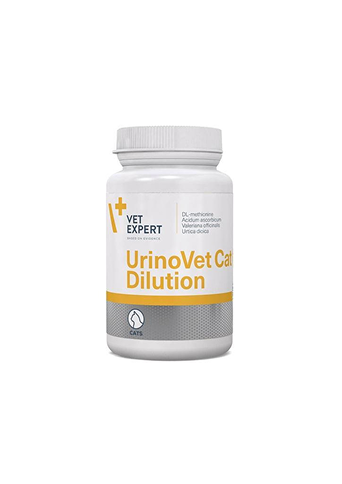
Specialized Urinary Tract Care: VET EXPERT Urinovet Cat Dilution
Cats prone to lower urinary tract disorders or struvite urolithiasis (struvite stones) often benefit from dedicated nutraceutical support alongside hydration and dietary management.
VET EXPERT Urinovet Cat Dilution is made for cats needing targeted urinary tract care and urine acidification. It supports healthy urinary tract function, helps maintain an unfavorable environment for struvite crystal formation, and promotes bladder comfort. Use it as part of a plan recommended by your veterinarian.
Urinary problems and kidney health
The two are connected. A urinary blockage that goes untreated can lead to kidney failure, and cats with kidney disease are more likely to get urinary infections. Read our guide to cat kidney disease in the Philippines to learn the early signs to watch for in your cat.
Frequently asked questions
What are the first signs of urinary problems in cats?
Common early signs are straining to pee, peeing small amounts, peeing more often, blood in the urine, and peeing outside the litter box. See your vet promptly if you notice any of these.
My cat keeps going to the litter box but nothing comes out. What should I do? (Hindi makaihi ang pusa ko: ano ang gagawin?)
Treat it as an emergency, especially in a male cat. Go to a vet immediately. Do not wait to see if it passes, and do not give human medicines.
Why is there blood in my cat’s urine? (Bakit may dugo ang ihi ng pusa ko?)
Blood in the urine can come from cystitis, urinary stones, an infection or other problems. The signs look alike, so your cat needs a vet exam and urine test to find the cause.
Is a cat UTI the same as FLUTD?
No. FLUTD is a group of conditions affecting the bladder and urethra. A bacterial urinary tract infection is only one possible cause, and it is less common in healthy adult cats than other causes such as cystitis or urinary stones.
Can I treat my cat’s urinary problem at home?
No. Never give leftover antibiotics or human medicines. The right treatment depends on the cause, which only your vet can find.
What are the first signs of urinary problems in cats?
It can be part of the plan. Your vet may suggest a urinary diet, wet food or other changes depending on the cause, but diet alone does not fix every urinary problem. Stress, hydration and regular vet visits matter too.
Can diet help my cat’s urinary health?
Common causes include ringworm, fleas and flea allergy, other allergies, mites and infections, and overgrooming from itching, stress or pain. Hair loss is a sign, not a diagnosis, so your vet needs to find the cause.
What are the first signs of urinary problems in cats?
Common causes include ringworm, fleas and flea allergy, other allergies, mites and infections, and overgrooming from itching, stress or pain. Hair loss is a sign, not a diagnosis, so your vet needs to find the cause.
Talk to your vet about your cat’s urinary health
If your cat shows any of the signs in this article, book a vet visit. Before you go, jot down changes in litter box habits, water intake, appetite and weight. Your vet can then check whether your cat needs tests, a diet change or other support.
At Petscience, we bridge clinical veterinary expertise with everyday home care. Guided by our commitment to being designed by experts, trusted by veterinarians, and loved by pets, we help cat owners across the Philippines care for their cats with confidence.
Explore our full feline catalog online and ask your vet which, if any, VET EXPERT essentials are right for your cat.
This article is for general information and does not replace veterinary advice. Always consult your veterinarian about your cat’s health.