
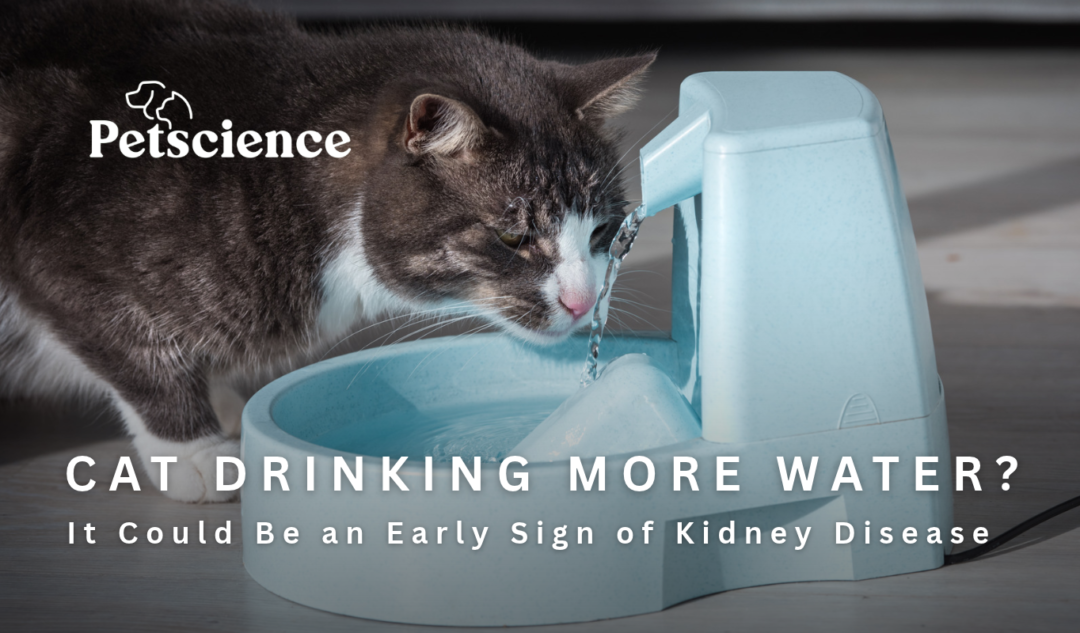
Cat Drinking More Water?
It Could Be an Early Sign of Kidney Disease
With cats in half of pet-owning Filipino homes, according to a 2023 Social Weather Stations survey, many owners will care for a senior cat at some point. Senior cats face one of the quietest health problems: chronic kidney disease (CKD), which often shows no signs in its early stages.
Cat kidney disease is common, progressive and easy to miss. This guide explains what it is, which cats are at risk, the early signs, how vets diagnose it, and how to care for an older cat at home in the Philippines.
In short:
- Up to 40% of cats over 10, and up to 80% of cats over 15, have kidney disease. Age is the only known risk factor.
- Early signs are subtle and often blamed on “just old age”: drinking and peeing more, weight loss, a poor coat and changes in appetite.
- Regular vet check-ups can catch kidney changes early, which gives your cat more options.
What is kidney disease in cats?
The kidneys filter waste from the blood, conserve water and help balance essential minerals. Chronic kidney disease (CKD) is a gradual loss of kidney function. In most cats it is progressive, and the damage cannot be reversed.
How common is it, and which cats are at risk?
CKD is one of the most common diseases of older cats. Estimates suggest it affects up to 40% of cats over 10 years old and up to 80% of cats over 15.
Age is the only known risk factor, so every senior cat should be monitored. Kidney disease is mainly a problem for mature and senior cats, seven years and older.
Early signs of kidney disease in cats
In the early stages, many cats show no obvious signs because the body compensates for reduced kidney function. When signs do appear, they are often dismissed as normal aging:
- Drinking more water and peeing more than usual
- Weight loss
- Poor or unkempt coat
- Changes in appetite
- Low energy
Signs that need a vet soon
Cats with kidney disease can also develop high blood pressure and anemia. See your vet promptly if you notice pale or white gums, sudden changes in vision, disorientation or weakness, or if your cat stops eating.
How vets diagnose kidney disease
Your vet will ask about drinking, peeing, appetite and weight, and will usually run blood and urine tests. Blood pressure may be checked too. If kidney disease is found, your vet will stage it using the IRIS system, which guides what care your cat needs. Cats diagnosed at an earlier stage tend to live longer, so do not wait for obvious signs.
Caring for a senior cat in the Philippines
- Book regular vet check-ups. Ask your vet how often your cat should be seen, especially once your cat is seven or older. Blood and urine tests can show kidney changes before you can see them at home.
- Keep fresh water always available. During the hot, dry months, refresh water often and put bowls in more than one spot, indoors and out of the sun. Some cats prefer moving water, so a pet fountain may help if you clean it regularly.
- Watch for changes. Note how much your cat drinks, how often and how much your cat pees, and any change in weight, coat or appetite. Share these notes with your vet.
- Do not self-medicate. Advice from online groups or social media cannot replace an exam. Never give human medicines or leftover antibiotics.
- Use any kidney diet or supplement under veterinary guidance. The right choice depends on your cat’s stage and needs.
How your vet may support your cat: VET EXPERT essentials
Diet and supplements are one part of care. They work alongside regular check-ups, fresh water and a calm routine. The product below is from Petscience’s VET EXPERT line, and your veterinarian can tell you whether it suits your cat. See the full range of VET EXPERT essentials for your cat.
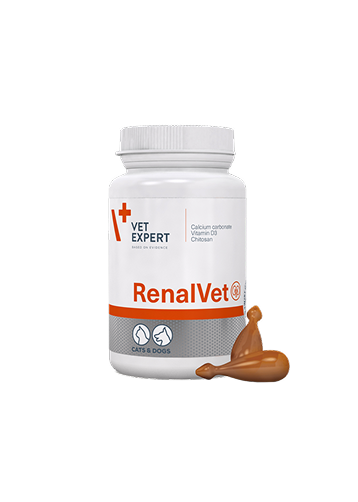
Targeted Kidney Support: VET EXPERT RenalVet
As cats age, supporting kidney function becomes more important.
VET EXPERT RenalVet is a nutritional supplement formulated to support cats experiencing symptoms of chronic renal failure. It combines a phosphorus chelator with active Vitamin D3 to help bind excess dietary phosphorus in the digestive tract, easing the workload on the kidneys while supporting mineral balance.
No pills needed: with VET EXPERT’s Twist Off capsule, you twist or cut the tip and squeeze the palatable formula into your cat’s favorite food, or offer it directly. Use it as directed by your veterinarian.
Kidney health and urinary health
The two are connected. Cats with kidney disease are more likely to get urinary infections, and an untreated urinary blockage can lead to kidney failure. Read our guide to cat urinary problems in the Philippines to learn the signs, including the emergency signs of a blocked cat.
Frequently asked questions
At what age do cats get kidney disease?
Kidney disease can occur at any age but is mainly a problem for mature and senior cats, seven years and older. It becomes more common with age.
Is it normal for an older cat to drink and pee more? (Normal ba na uminom at umihi nang mas madalas ang matandang pusa?)
My senior cat is losing weight but still eating. Is it just old age?
Can kidney disease in cats be cured?
How often should my senior cat see the vet?
Talk to your vet about your cat’s kidney health
If your cat shows any of the signs in this article, book a vet visit. Before you go, jot down changes in litter box habits, water intake, appetite and weight. Your vet can then check whether your cat needs tests, a diet change or other support.
At Petscience, we bridge clinical veterinary expertise with everyday home care. Guided by our commitment to being designed by experts, trusted by veterinarians, and loved by pets, we help cat owners across the Philippines care for their cats with confidence.
Explore our full feline catalog online and ask your vet which, if any, VET EXPERT essentials are right for your cat.
This article is for general information and does not replace veterinary advice. Always consult your veterinarian about your cat’s health.